My Experience in Black-and-White Photography
A Foundation in the Darkroom
My journey into black-and-white photography began in the darkroom, where I learned that light is more than just an element of exposure—it’s a tool to be manipulated at every stage of the process. Shooting with black-and-white film taught me to think intentionally about light. In-camera, I could shape it through how I set up a scene, the settings I chose, and even the use of colored filters to influence what made it onto the film. Each decision altered the tones and contrast in unique ways.
But the real magic happened in the darkroom. I could add light to one area or subtract it from another through dodge-and-burn techniques, sculpting the final image to match my vision. The process was tactile and deliberate—an art in itself—and this foundational experience still informs how I approach my work today.
Published in Docu Magazine
Being published in Docu Magazine was a milestone in my career. This short-form magazine focuses on documentary-style photography, and I chose to submit my black-and-white work for consideration exclusively. It was my first time being showcased in such a way, and seeing my images in print validated my passion and dedication to the craft. It’s a reminder of why I fell in love with photography in the first place and why black and white remains such a central part of my artistic identity.
A Personal Style
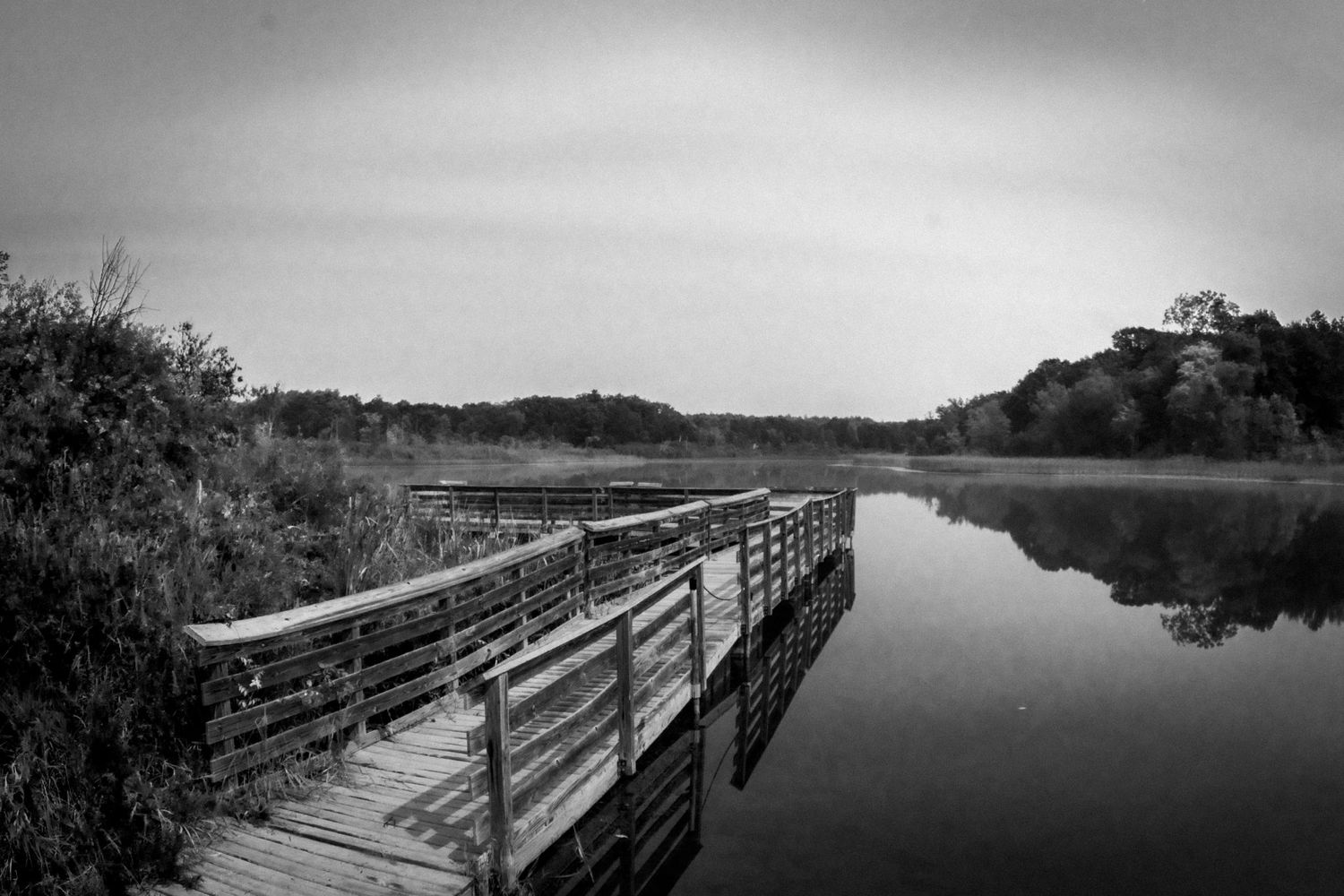
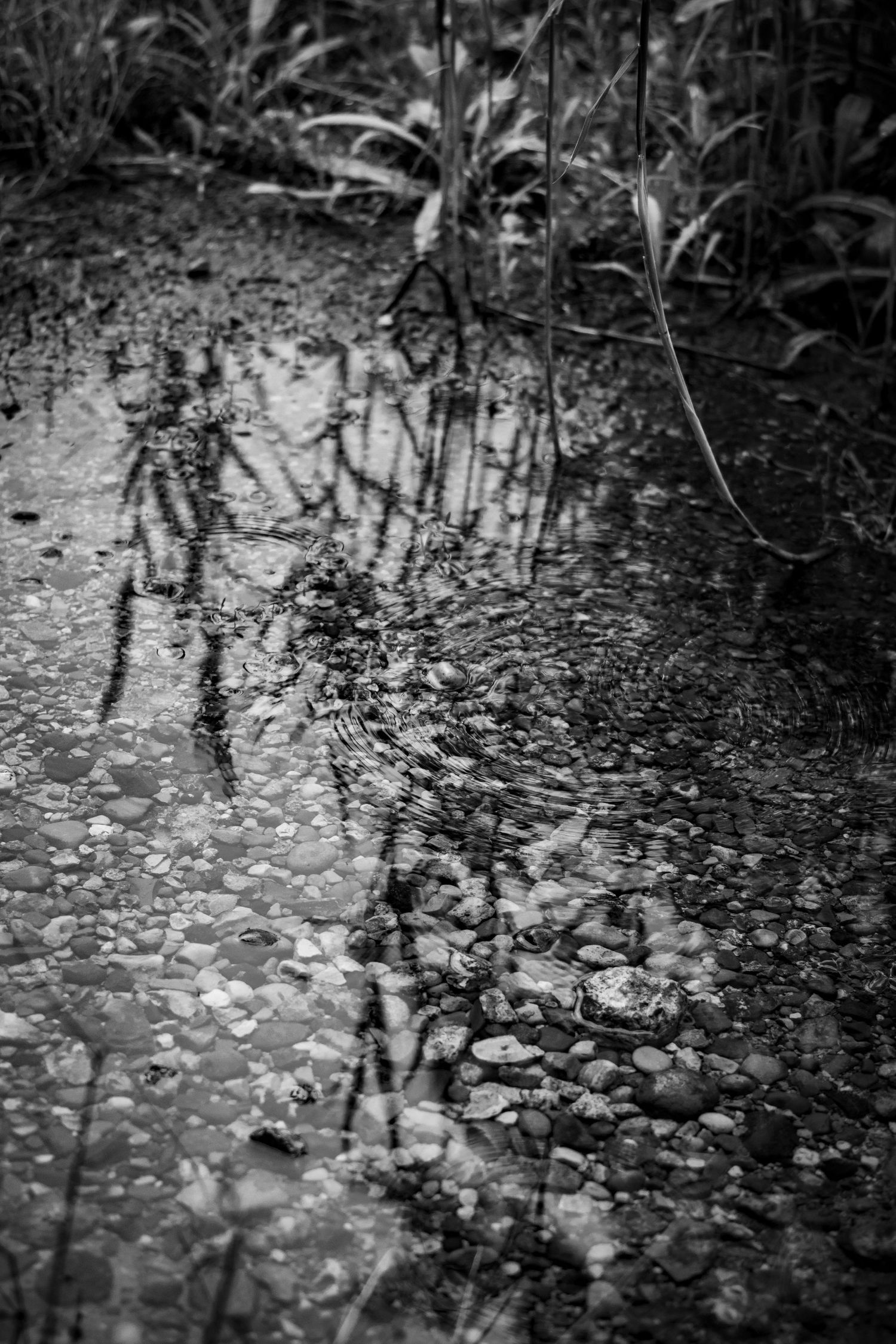
My portfolio of black-and-white imagery reflects how I see the world. While there isn’t a specific theme running through my work, there’s a consistent style: sharp, high-contrast images that create impact. In color, this style often felt inconsistent—too vibrant, too saturated. Then I discovered Fuji Acros II.
That single roll of film changed everything for me. Its fine grain, sharp contrast ratio, and subtle tonal gradations made me fall in love with black-and-white photography all over again. I’ve since worked to emulate that look in my digital images, creating a cohesive style that feels authentic to me and captures the timeless quality I strive for in my work.

Why I Love Black-and-White Photography
A Focus on Contrast and Texture
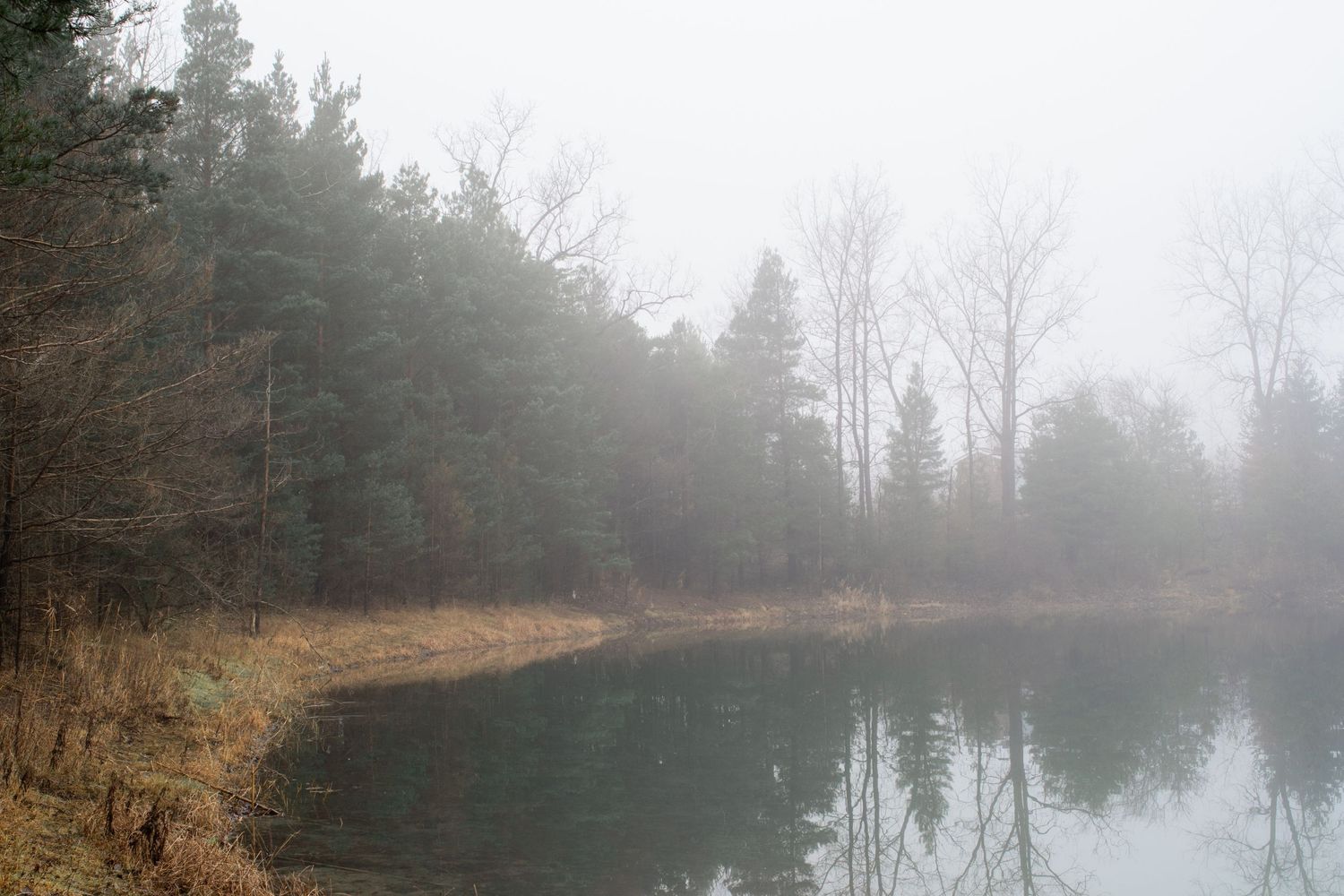
I’ve always been drawn to contrast and texture in my photography, but there was a moment when color became a barrier instead of a tool. While shooting a fine art series based on Michigan’s forests, I realized the vibrant greens—beautiful in person—were overwhelming in my images. They lacked the depth and separation I craved, blending into a wall of sameness.
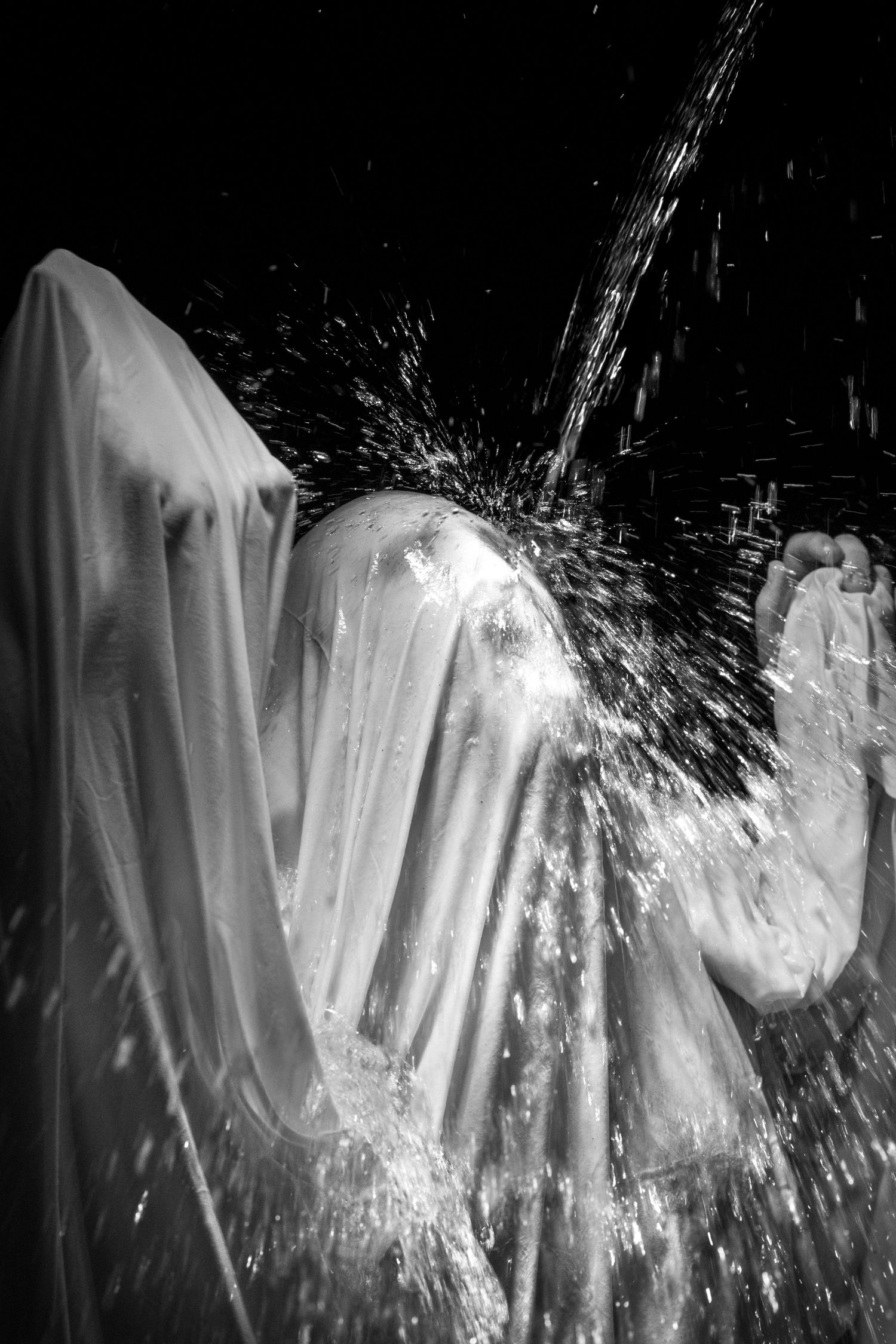
This frustration influenced the return to black-and-white photography, where I found freedom from those distractions. My first Mythic Series was a turning point. It told a story of a lost soul, the devil, and his huntress. The huntress was the first image where I felt the full creative potential of the medium. It became a visual language I wanted to explore further, stripping away color to focus on the essence of the story.
Why Fuji Acros II is My Favorite Film Stock
Discovering Fuji Acros II was like finding the perfect instrument for my art. Its fine grain and exceptional tonal range gave me the tools to create images that felt both timeless and striking. What truly sets this film apart is its reciprocity behavior, exposures up to 120 seconds require no compensation—unheard of in most films. This allowed me to create stunning long exposures without the hassle of recalculating time and losing detail.
In comparison, something like Ilford HP5+—a great film—would require a 9-minute exposure for the same shot due to reciprocity failure. Fuji Acros II’s precision and flexibility made long exposure photography on film similar to shooting digitally, making it my go-to for black-and-white projects.
A Timeless Impact
We see the world in color, so vibrant images become overwhelming or distracting. Black-and-white photography offers a different experience—it removes the noise and allows the details to shine. By focusing on texture, contrast, and composition, I can guide the viewer’s eye exactly where I want it to go.
This approach has given my work an emotional resonance I couldn’t achieve in color. My compositions, paired with the simplicity of black and white, create a visual journey that feels intentional and impactful. It’s a medium that transforms the ordinary into something timeless and profound.
Black-and-White as a Storytelling Tool
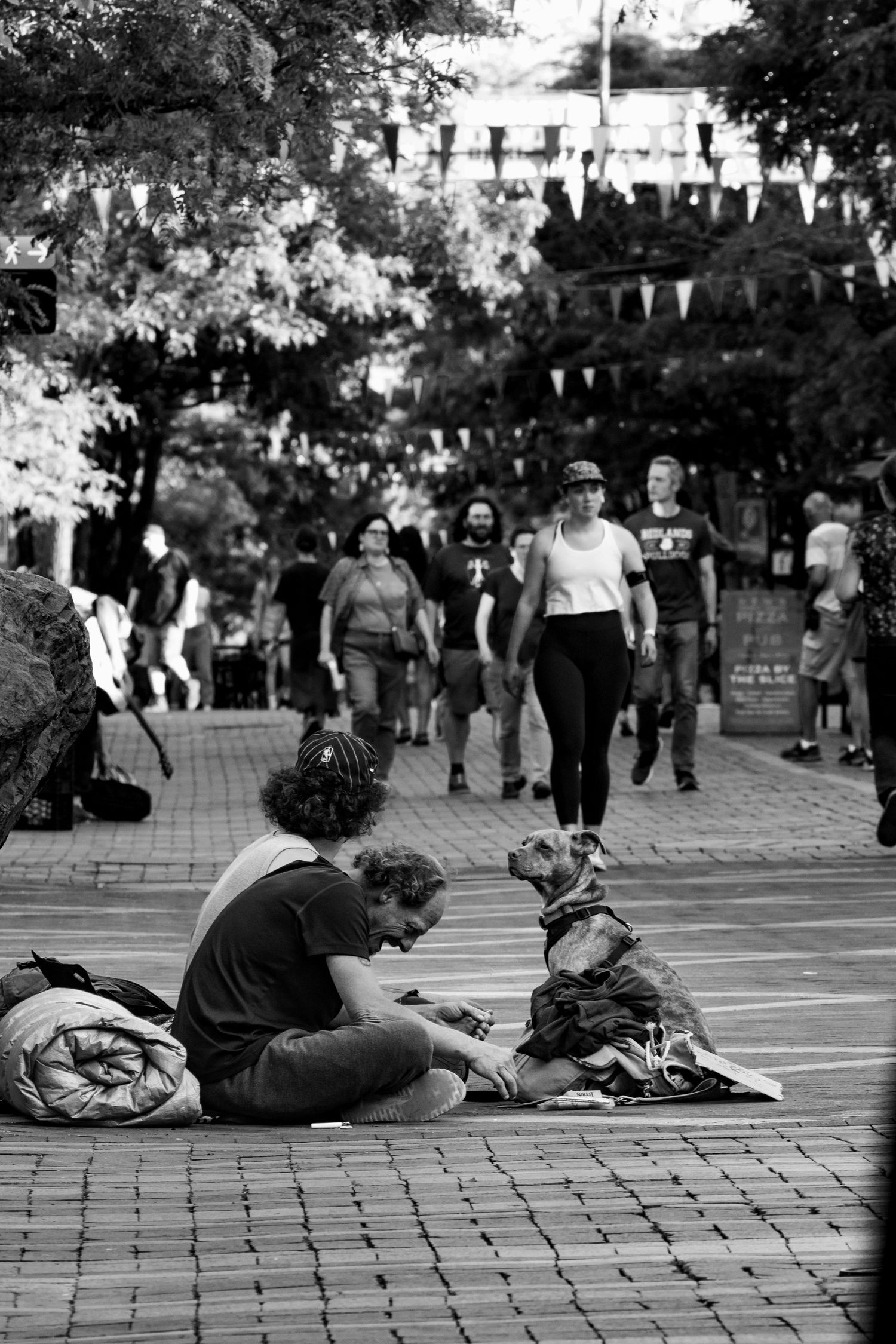
In my most recent fine art series, which explores emotions and mental health struggles, black and white became essential. The series resonated deeply with those who experienced it, and I’m convinced it wouldn’t have worked in color. By stripping the images to their essence, I could convey the raw emotions behind each piece. The lack of color emphasized the textures, contrasts, and compositions, creating an emotional impact that felt both universal and deeply personal.
If you’re interested in learning more about this series, I wrote a detailed post diving into the inspiration, process, and meaning behind the work. Read the full write-up here.
My Approach to Black-and-White Photography
Guided by Texture and Contrast
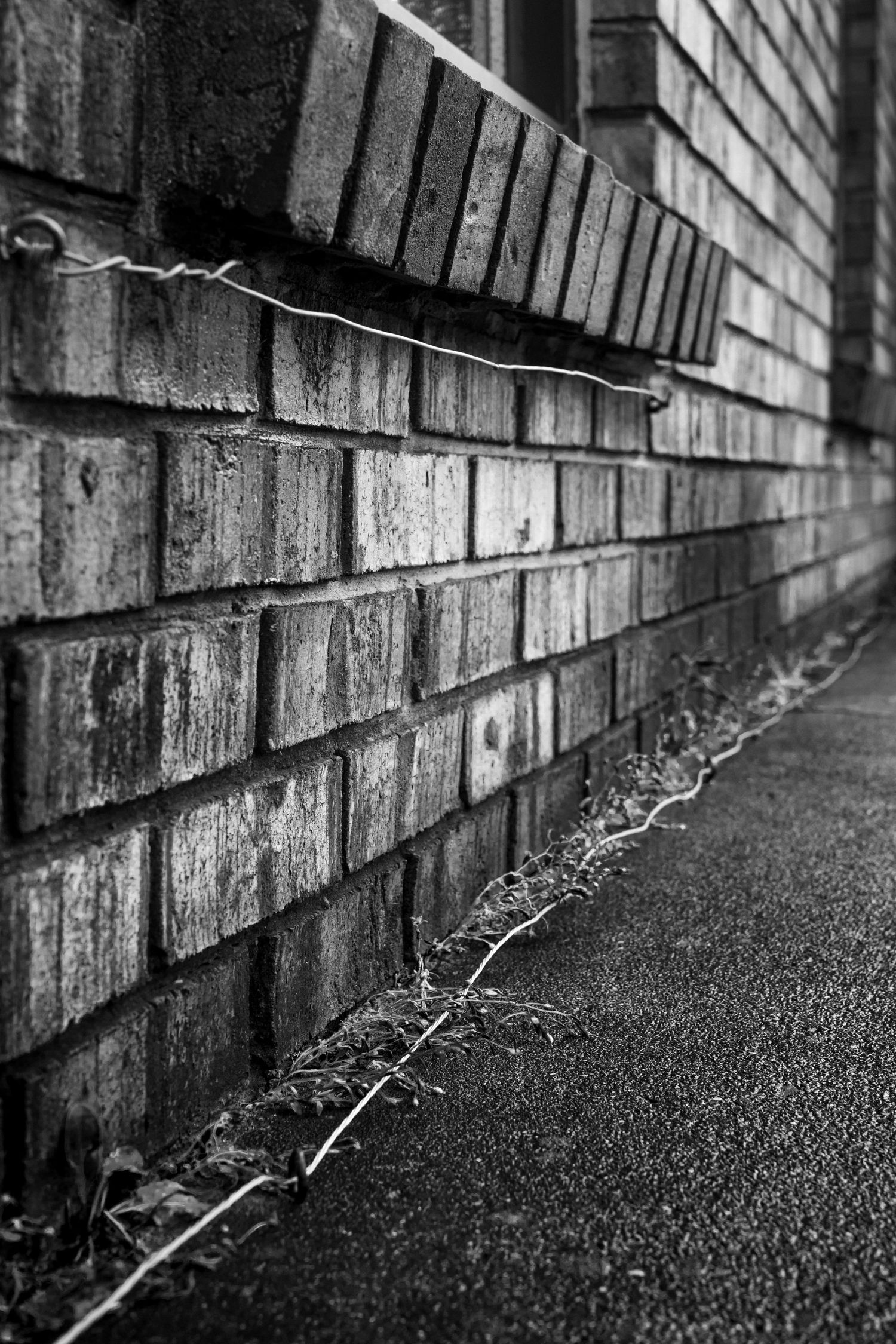
Texture and contrast are at the heart of my black-and-white work, but how I use them varies depending on the image. For example, in one of my favorite shots, I used the rough texture of bricks contrasted with the smooth surface of concrete to create a striking visual separation. This intentional use of texture and contrast draws the viewer’s attention to specific elements, making the image more impactful and engaging.
A Darkroom Mindset in a Digital World
My time in the darkroom taught me that light can be shaped to serve your vision. Dodge-and-burn techniques and blanking out parts of an image were tools I relied on to enhance contrast and focus on key elements. This experience directly translates to my digital editing process today.
Using masking and brush tools in software is highly similar to darkroom techniques. Knowing where to lighten and darken an image allows me to craft depth, control focus, and ensure that no element becomes overpowering or lost. It’s not about fixing the image but refining it to express the story I want to tell.
More Than a Filter
Unfortunately, many photographers treat black-and-white as an afterthought, using it to salvage a bad image or simply applying a filter and calling it done. But for black-and-white photography to truly resonate, it requires a fundamentally different approach.
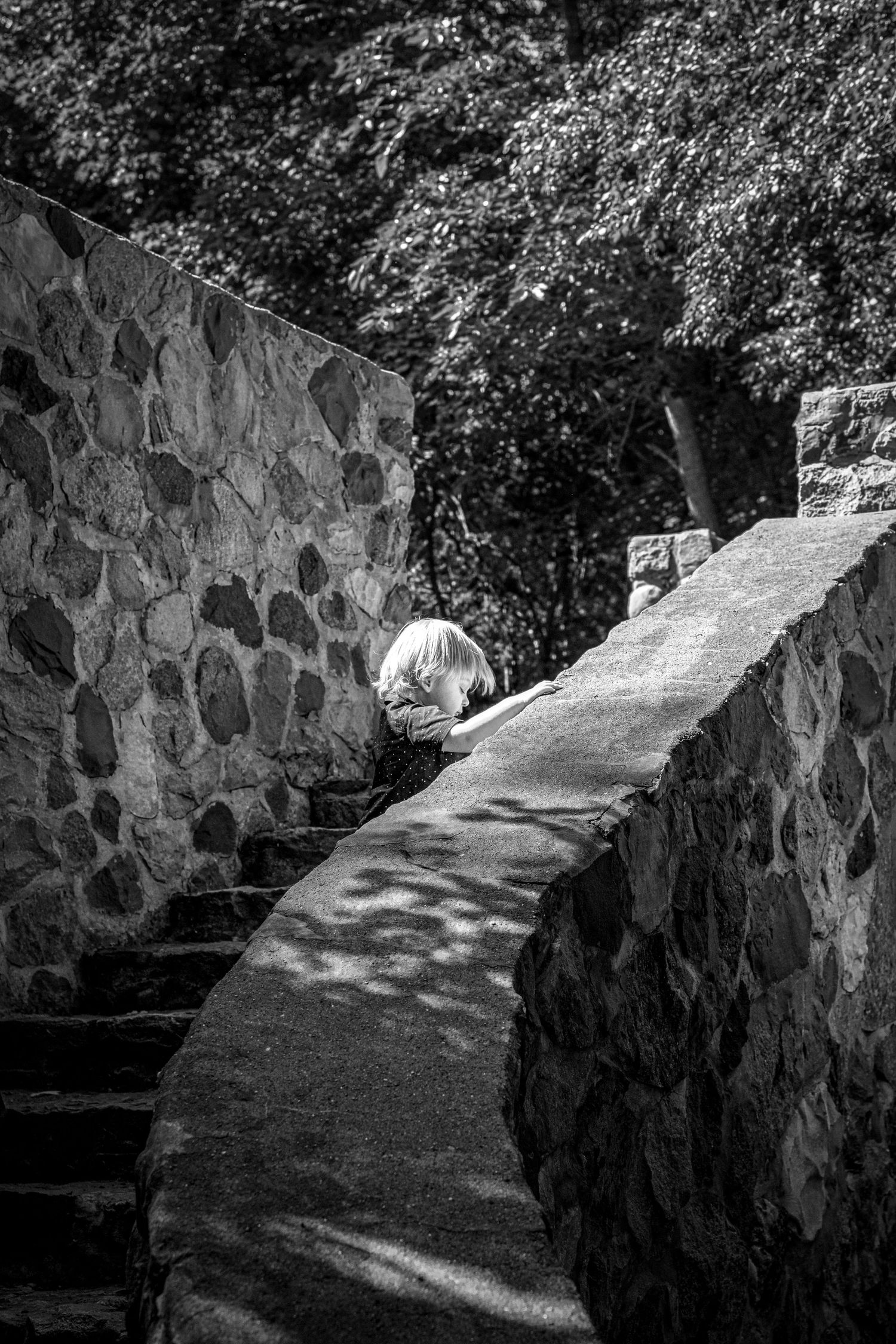
Ansel Adams developed the Zone System to ensure a full image tonal range, creating depth and dimension. Many modern photographers overlook or don’t understand this technique, which leads to flat or uninspired results. Every black-and-white edit starts with intention—understanding the composition, planning how the tones will interact, and ensuring the final image has the dynamic range to make it pop.
Mono Mastery Workshop
What You’ll Learn
This workshop is designed to teach you how to create striking black-and-white images, from composition to final edits. You’ll learn:
- How to spot great black-and-white compositions and identify what works (and what doesn’t).
- When to pivot from color, turning a potential loss into a stunning image.
- Hands-on shooting techniques tailored to your style, whether fine art, street photography, or portraits.
- Editing workflows in Lightroom and Photoshop, focusing on contrast, tonal range, and texture. (While we’ll use Lightroom and Photoshop, the techniques are applicable across other software.)
Format and Future Workshops
This workshop is focused on digital black-and-white photography. While we won’t cover film photography or digital emulation presets here, I’m planning future workshops dedicated to those topics.
Why This Workshop is Unique
What sets this workshop apart is its personalized approach. It’s either 1-on-1 or in small groups, keeping the experience casual and tailored to your individual needs. We’ll go beyond the basics, diving into the thought processes and techniques inspired by the lost art of analog photography.
These are the same skills that have helped me create impactful, published work, and I’m excited to share them with you. Whether you’re just starting or looking to refine your craft, this workshop will equip you with the tools to create timeless black-and-white images confidently.
Ready to Elevate Your Black-and-White Photography?
Click the Book Now button to reserve your workshop online. Whether you’re looking for a hands-on learning experience or to deepen your understanding of black-and-white art, this workshop is designed for you. I can’t wait to help you bring your vision to life!