Tips & Tutorials
Mastering the Art of Black and White: Lessons from a 35mm Film Camera
As a photographer, there's a certain allure that black and white photography holds. Its minimalistic nature can often lead to more expressive, timeless images that evoke stronger emotions. The journey of mastering this style, particularly when shooting with a 35mm film camera, can be both challenging and rewarding. Today, I'll be sharing some insights and techniques that I've gathered from my experiences in analog photography.
Understanding Your Camera Meter
A fundamental step towards achieving successful black-and-white photography lies in understanding your camera meter. Your camera meter gauges the light in a scene and suggests an appropriate exposure setting, typically trying to render everything as an average 'middle' gray. However, in black-and-white photography, you'll often want to deviate from this average to create striking contrasts and emphasize different elements of the scene.
One such technique is to expose for highlights or shadows. This means you purposefully let your camera overexpose or underexpose parts of your scene, emphasizing either the light or the dark aspects. This can often lead to dramatic, high-contrast images that draw attention and guide the viewer's eye. Remember, in film photography, once you take the shot, the exposure is set – there's no changing it in post like you might with a digital image. This makes mastering this technique all the more important.
Chasing the Light
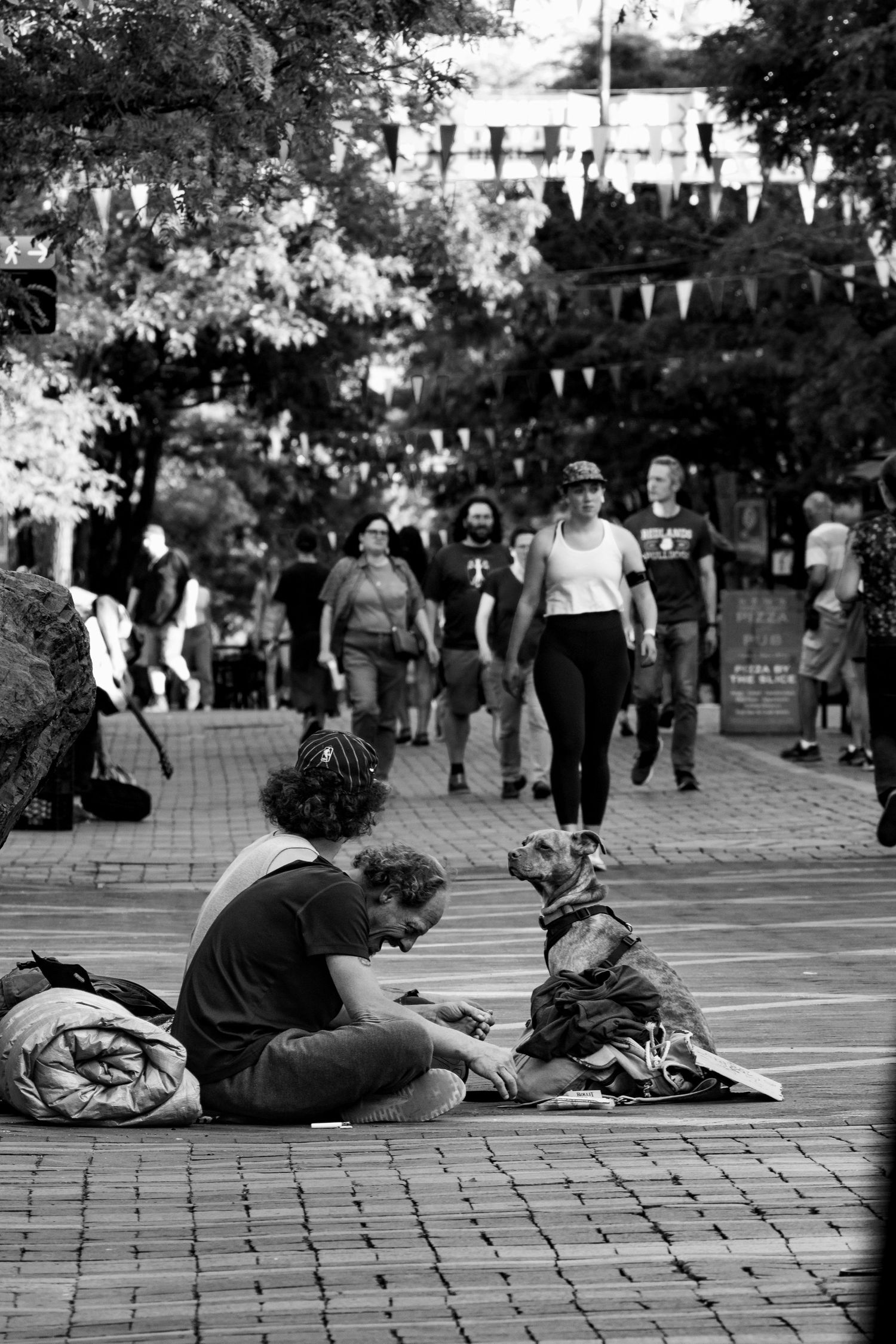
One of the most crucial elements of black-and-white photography is the use of light. Good lighting can dramatically change the mood and feel of your shot. Look for strong sources of light and dark shadows to create contrast in your images. The contrast will help your subjects stand out and add depth to your images. Whether it's the midday sun casting harsh shadows or the soft diffused light of a cloudy day, learn to use these conditions to your advantage.
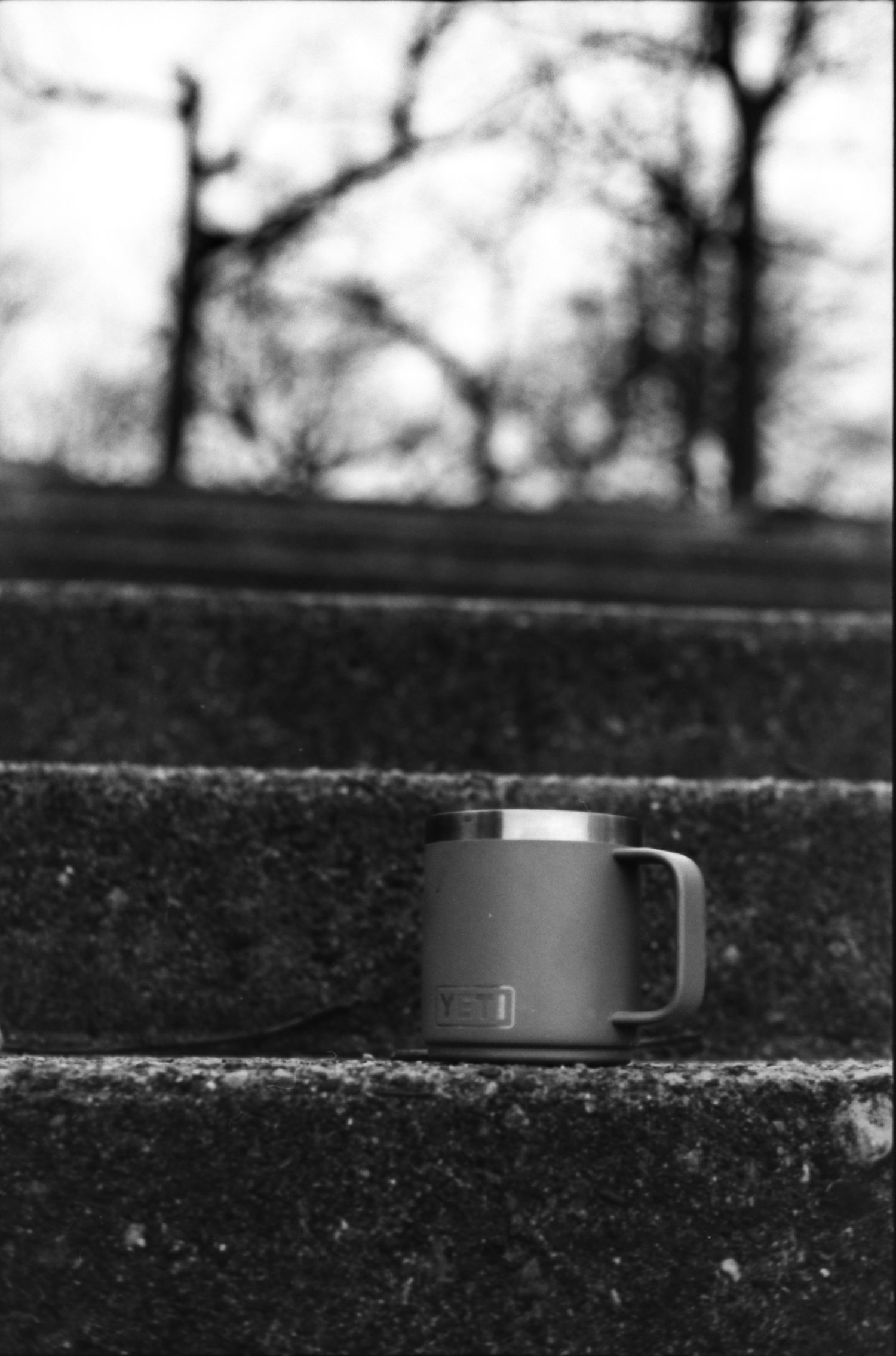
Black and white photography can bring out textures that often go unnoticed in color photography. The graininess of sand, the roughness of tree bark, or the smoothness of water can all become focal points in your images. These textures, when juxtaposed against negative space, can create some truly unique compositions.
Setting Up Your Digital Camera
If you're shooting digitally, there are a few things you can do to emulate the 35mm film camera experience. Many digital cameras have a setting that allows you to shoot in black-and-white mode, providing a preview of how the image might look once converted. This can be helpful in training your eye to see in black and white.
Another technique is to refrain from reviewing your photos until you get home. It can be tempting to check every shot immediately after it's taken, but resisting this urge can mimic the anticipation and thoughtfulness that comes with shooting on film.
In conclusion, black-and-white photography requires a deep understanding of light, texture, and composition. It may not offer the immediate gratification of digital, but the process of shooting with a 35mm film camera, where each shot is precious and every decision counts, can be a profoundly rewarding experience. Challenge yourself, embrace the unknown, and you'll find a world of rich monochrome waiting to be captured through your lens.